IMA HospitalityRRMA | October 2026
Oct 1, 2026

| NOA Category | NOA Code | NOI Desc | Clms | Incurred Amt |
|---|---|---|---|---|
| Slip Fall Trip | 29 | On Same Level | 477 | $2,719,253.74 |
| Misc. Causes | 89 | Robbery or Crime Assault | 22 | $1,249,958.74 |
| Slip Fall Trip | 27 | From Liquid or Grease Spill | 113 | $564,220.83 |
| Struck / Injur By | 75 | Falling or Flying Object | 114 | $377,997.19 |
| Slip Fall Trip | 26 | From Ladder or Scaffolding | 19 | $347,265.91 |
| Total | 745 | $5,258,696.41 |
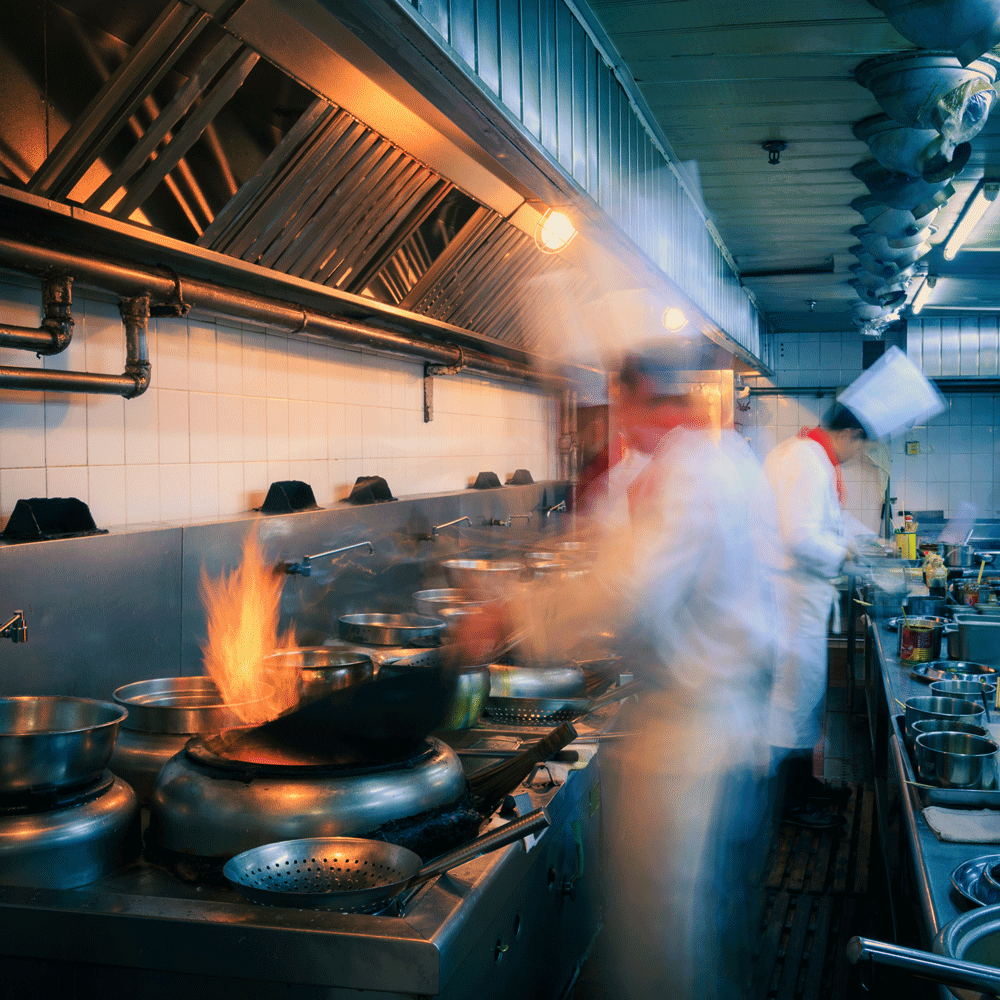
Adopt a “See It, Own It” philosophy. Any employee who notices a spill should either clean it up immediately or remain at the location until assistance arrives. Never leave a spill unattended.
Inspect floors at opening, throughout the shift, before shift changes, and at closing. Look for standing water, grease buildup, damaged flooring, worn mats, and drainage issues. Document inspections consistently.
Pay special attention to:
These locations are common sources of water, grease, and condensation
Implement and enforce a slip-resistant footwear policy. Inspect shoes periodically for worn tread and require replacement when traction is reduced.
Install absorbent, non-slip mats in areas frequently exposed to water or grease. Ensure mats lie flat, remain clean, and are replaced when worn or damaged. Curled edges can become trip hazards.
Remove boxes, cords, hoses, trash, and stored items from aisles and work areas. Maintain clear pathways to exits, storage rooms, and production areas at all times.
Use the correct cleaning products and degreasers. Increase cleaning frequency around fryers and cooking equipment where invisible grease films can develop. Dry mop floors after cleaning whenever possible.
Whenever floors are wet from spills, cleaning, or weather conditions, place warning signs immediately and leave them in place until the floor is completely dry.
Repair damaged flooring, loose or cracked tiles, and uneven surfaces promptly. Ensure floor drains function properly, do not create a trip hazard and drain covers remain securely in place.
Include slip, trip, and fall prevention in new-hire orientation and ongoing safety meetings. Review incidents and near misses, reinforce expectations, and recognize employees who proactively identify hazards.
Keep every walking surface “Clean, Dry, and Clear.“
This simple standard is easy for employees to remember and can significantly reduce slip, trip, and fall injuries.
Working in a restaurant often requires the use of knives, box cutters, and other sharp tools for food preparation and receiving deliveries. These tools can cause serious cuts and lacerations if they are not used, stored, or maintained properly. Injuries commonly occur when employees rush, use dull blades, carry knives improperly, attempt to catch a falling knife, or leave sharp tools unattended.
By following safe work practices, employees can significantly reduce the risk of injury and help maintain a safe workplace.
1. Eliminate Hazards
2. Substitute Safer Equipment
3. Engineering Controls
4. Administrative Controls
5. Personal Protective Equipment (PPE)
A moment of inattention can result in a serious injury. Using the right tool, following proper cutting techniques, maintaining sharp blades, and storing knives and box cutters correctly are essential steps in preventing cuts and lacerations in restaurant operations. Safety should always take priority over speed.
 Maryland Paid Family & Medical Leave Insurance (FAMLI) LawEmployer Action Steps and Key Deadlines
Sep 30, 2026
Maryland Paid Family & Medical Leave Insurance (FAMLI) LawEmployer Action Steps and Key Deadlines
Sep 30, 2026
 MHPAEA NQTL Enforcement Focus:What Employers Need to Know
Sep 30, 2026
MHPAEA NQTL Enforcement Focus:What Employers Need to Know
Sep 30, 2026
 Property & Casualty Markets In Focus Q3 2026Market Update
Sep 25, 2026
Property & Casualty Markets In Focus Q3 2026Market Update
Sep 25, 2026
 Monthly Well-being Newsletter | October
Sep 21, 2026
Monthly Well-being Newsletter | October
Sep 21, 2026