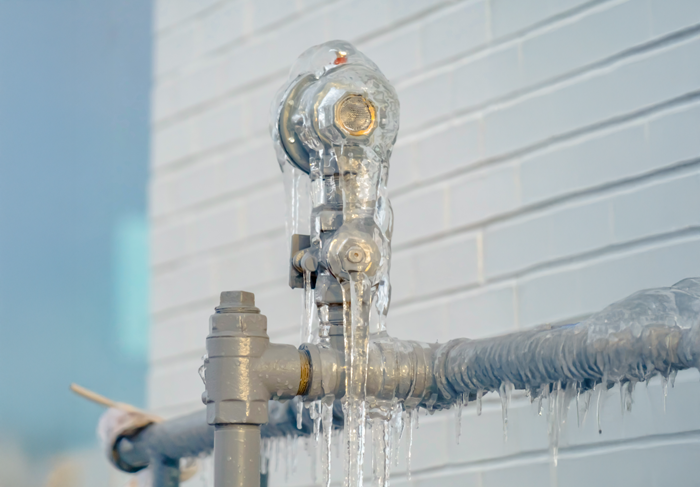
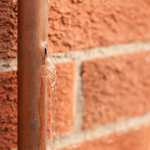
Water intrusion catastrophe is the “new” fire catastrophe. Commercial property water damage claim trends show an increase in frequency and severity driven by hidden leaks in aging buildings, roof leaks, sprinkler malfunctions, freezing pipes, etc. Inconsistent weather patterns in the past few years, decreasing maintenance budgets shows water intrusion claims are now leading the losses.
Common means of water intrusion include but not limited to – freeze-up, aging infrastructure, corrosion of pipes/fixtures, poor installation/workmanship, mechanical failure, lack of drainage, and inadequate containment.
IMA Property Risk Management Team is available to assist with your water mitigation, along with utilizing vendor resources potentially available from your property carrier. IMA is providing a variety of new resources in this document to assist with enhancing your water mitigation program. Click the headings below for additional information.
- Mapping Valve Shutoffs
The most effective way to mitigate a loss is to preplan for the event. Click the heading for a guide to taking photos and creating maps for emergency disconnects.
- Prior to Incoming Weather
A broken or cracked window, open door, compromised roofing, can allow enough cold air to freeze nearby pipes which can create a catastrophic event. Click the heading for a resource to help identify ways to mitigate potential incidents.
- Water Intrusion Checklist
Click the heading to access our checklist to assist with vital Preventative Maintenance checks for annual, semi-annual, quarterly, and prior to a weather situation. If you identify any additional check points, IMA Risk Control will modify the checklist specific for your organization.
- Water Sensor Options
Technology available to provide organizations with real-time alerts if water is detected or temperatures reach a hazardous level. A few options available are – pucks, rope style, etc. Click the heading for additional information. Please reach out to your IMA Risk Control for assistance to identify the best method and identify if your current property carrier offers any resources.
- Dry Systems
Make sure drum drips are done weekly to limit the amount of water in the bottom of the systems. Maintain dry system, and riser system are kept at a standard temperature.
- Heat
Unoccupied/vacant buildings are at high risk during cold weather. Monitor heat in those buildings and keep it set at a standard temperature to prevent a pipe break. Additional heating may be needed for identified “cold spots” or heat tape, insulation placed around pipes.
Please contact Brenda Rice or Eric Riddleberger for assistance or with questions:
Brenda Rice
Risk Control Advisor Education
913.912.2932 | brenda.rice@imacorp.com
Eric Riddleberger
Director of Property, Risk Control
302.615.7775 | eric.riddleberger@imacorp.com