Cold Weather Alert: Winter Water Damage
Dec 18, 2025
Dec 18, 2025
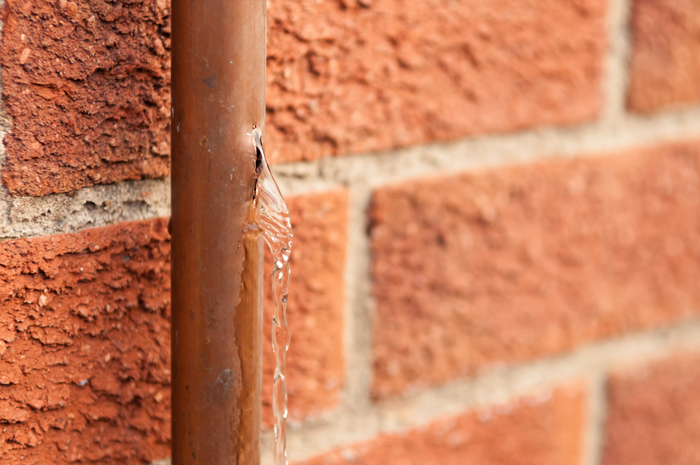
Copper, PVC, PEX, galvanized steel – any material of pipe can burst and spill, on average, 4-8 gallons of water per minute.
 The Evolving Ergonomic Landscape of Remote and Hybrid Work
Feb 10, 2026
The Evolving Ergonomic Landscape of Remote and Hybrid Work
Feb 10, 2026
 Winter – Frozen Pipes – Water DamageA Key Driver of Property Incidents
Dec 31, 2025
Winter – Frozen Pipes – Water DamageA Key Driver of Property Incidents
Dec 31, 2025
 The Benefits of Salt-Sand Mixes and Colored Ice Melts
Dec 31, 2025
The Benefits of Salt-Sand Mixes and Colored Ice Melts
Dec 31, 2025
 Inclement Weather Alert Employee Communication Checklist
Dec 31, 2025
Inclement Weather Alert Employee Communication Checklist
Dec 31, 2025