Proper Glove Usage in Restaurants
Jul 22, 2026
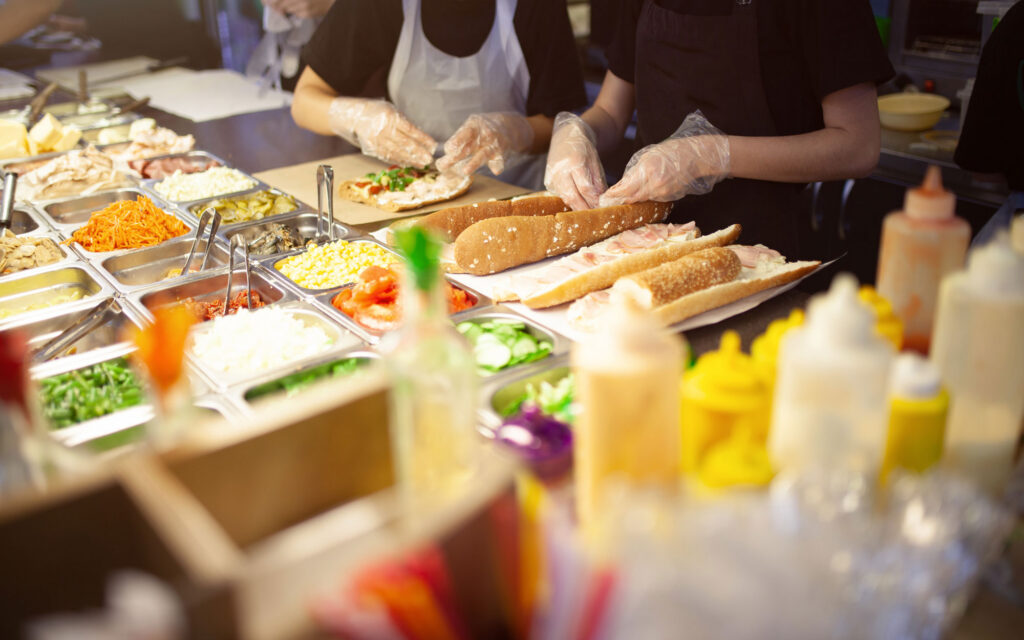
Disposable gloves are an important food safety tool—but only when they are used correctly. Improper glove use can spread bacteria and viruses just as easily as bare hands. According to the FDA Food Code, employees handling ready-to-eat foods must use gloves, utensils, deli tissue, tongs, or another approved barrier instead of bare hands.
Following proper glove practices helps reduce the risk of foodborne illness and supports compliance with food safety regulations.
Gloves are not a substitute for handwashing.
Disposable gloves are designed for single use only.
Replace gloves anytime they may have become contaminated. Always change gloves:
Properly fitting gloves improve both safety and comfort.
Use a new pair of gloves for each separate task.
Avoid these common food safety violations:
Follow this simple sequence every time:

This routine significantly reduces the risk of cross-contamination and foodborne illness.
Disposable gloves are an effective food safety barrier only when used correctly. Consistent handwashing, changing gloves between tasks, and preventing cross-contamination help protect guests, reduce food safety risks, and keep your operation compliant with health code requirements.
RISK CONTROL TIP
Gloves are only as clean as the hands inside them. Employees who fail to wash their hands before putting on gloves can transfer bacteria directly to the gloves, and ultimately to the food they prepare.
Proper handwashing, frequent glove changes, and task-specific glove use are the keys to maintaining a safe food preparation environment.
 Preventing Vehicle Accidents in Restaurant Parking Lots
Oct 20, 2026
 IMA Hospitality RRMA October 2026RRMA | October 2026
Oct 1, 2026
 Safety Best Practices for Employees Driving for Restaurant Business
Aug 5, 2026
 Best Practices for Maintaining Temperatures in Restaurant Walk-In Coolers & Freezers
Jul 22, 2026