Fentanyl AwarenessHospitality Risk Control Training
Jul 4, 2025
Over 100,000 overdoses each year link back to food contaminated with fentanyl. Food, drinks, and candies can easily become lethally contaminated with just 2 mg of fentanyl (the size of the tip of a pencil).
Unfortunately, and unknowingly, hotel rooms are sometimes used by guests for the consumption or manufacture of illicit drugs. With the increased policing of improper use of prescription OxyContin, and when heroin is not potent enough for the user, fentanyl has become the next replacement illegal pain medication. Fentanyl is cheaper because it can be manufactured in a lab with concentrations that are 100 times more potent than morphine and 50 times more potent than heroin. Therefore, the drug is often remixed and inserted into other formulas for sale and distribution, creating a hazardous environment in the room to be cleaned by the guest room attendant.
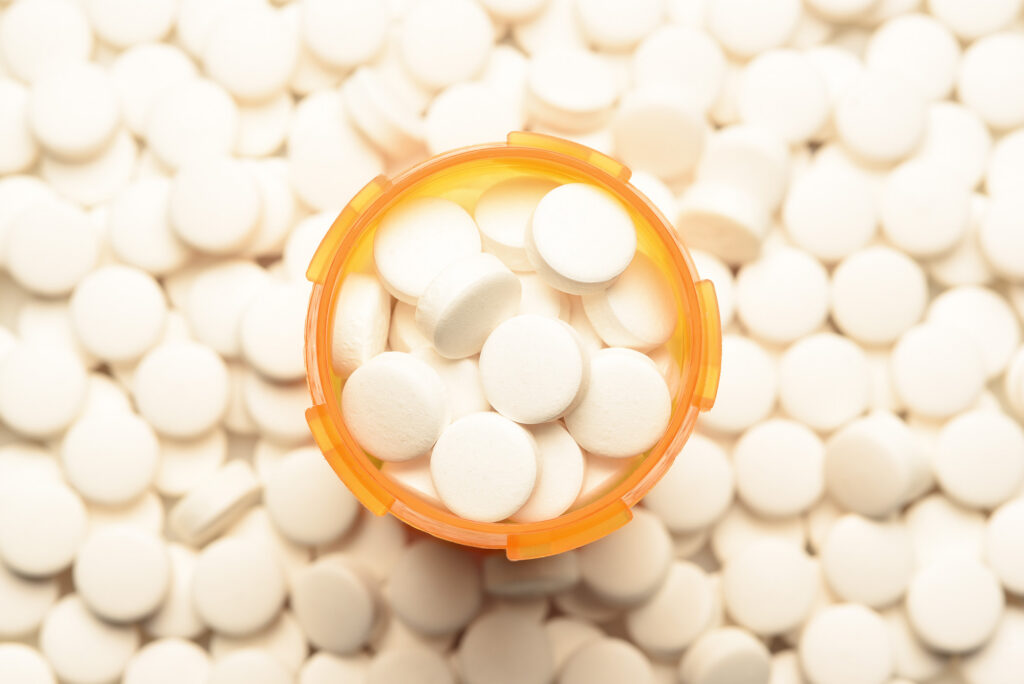
Any evidence of white or colored powders, unusual packaging, or needles left in a room should be reported to a supervisor. Guestroom attendants are encouraged to use nitrile gloves for cleaning each room to prevent skin contamination and possible overdose. Food, drinks, or even wrapped candies left by the guest should not be consumed by any hotel staff for fear of a fatal overdose.
Rooms with drug or powder evidence should be treated like a hazardous material cleanup, and all needles (often hidden between mattresses and sofa cushions) should be handled with pliers or forceps and disposed of in sharps containers.
These are all good reminders for hotel staff to wash their hands after cleaning guestrooms, before breaks, and before the consumption of food or drinks.
| Observation | Action |
|---|---|
| White or colored powder on countertop, table, or furniture. Pills left on the counter or floor. | Report the room to your supervisor, executive housekeeper, or the GM, back out of the room, and await a hazardous cleaning plan. |
| An unusual amount of plastic film, small Ziplock bags, or stuffing material in the trash cans. | Report the room to your supervisor, executive housekeeper, or the GM, back out of the room, and await a hazardous cleaning plan. |
| Food or drinks left in the refrigerator. | Put on Nitrile gloves, and remove the food, and place it in a trash bag. Do not eat or sample the food or drinks. |
| Wrapped candies or packaged bags of candy. | Put on Nitrile gloves, remove the candies, and place them in a dedicated red/BBP trash bag. Do not eat or sample the candy. |
| Needles in the trash can, needles in soda cans, or needles between the mattresses or sofa cushions. | Notify your supervisor or the Bloodborne Pathogens Team. Those trained in BBP will put on Nitrile gloves, get a pair of pliers or forceps from Engineering, and remove the needles and put them into a sharps container. |
| Visible damage to the walls or furniture. | Report the room to your supervisor, executive housekeeper, or the GM, back out of the room, and await a hazardous cleaning plan. |
| Towels with blood or vomit. | Notify your supervisor or the Bloodborne Pathogens Team. Those trained in BBP will put on Nitrile gloves, gather the towels, and put them in a red/BBP plastic. |