Redesigning a Life Sciences Insurance Program to Reduce Cost and Expand Critical Coverage
Jun 26, 2026
Jun 26, 2026

A Midwest-based life sciences organization specializing in human tissue processing and cellular products had worked with the same broker for nearly two decades. As the organization grew and prepared to divest a major business unit, leadership questioned whether its insurance program was keeping pace with its evolving risks.
The client sought a more strategic approach to coverage design, risk assessment, and market engagement while navigating a complex business transition.
The client was preparing to sell its blood donation clinic operations while maintaining its tissue processing business. This required separating exposures, restructuring coverage, and addressing overlapping product liability policies. At the same time, IMA identified significant opportunities to improve coverage adequacy, particularly for high-value, temperature-sensitive inventory, while reducing overall program costs. The existing program had largely been renewed year after year with limited strategic review or optimization.
Breaking from status quo to build something stronger.
IMA’s Property & Casualty team acted to support the client by:
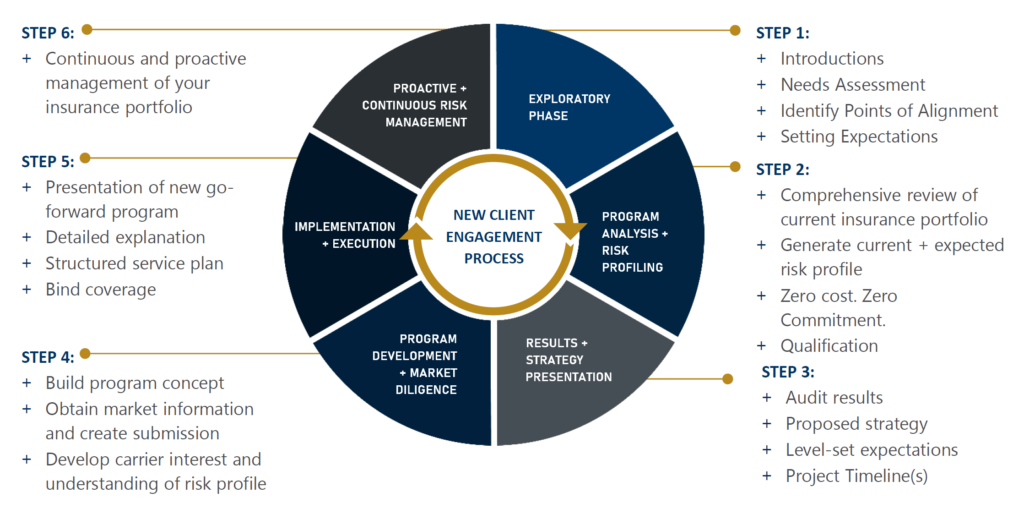
IMA approached the engagement as a strategic redesign rather than a traditional renewal. By combining risk engineering expertise, life sciences specialization, and thoughtful market engagement, the team built a stronger story for underwriters and helped the client better align coverage with its actual risk profile. The deliberate decision to extend the policy term created the time needed to gather data, validate exposures, and negotiate from a position of strength.
This case demonstrates the value of challenging longstanding insurance assumptions and taking time to fully evaluate risk before entering the market. IMA identified coverage gaps and inefficiencies that had gone unaddressed for years, then coordinated technical resources and carrier engagement to create a more effective program structure.
The client reduced annual insurance costs by approximately $588,000, increased spoilage coverage capacity from roughly $18 million to more than $100 million, and eliminated duplicate product liability coverage. The redesigned program provided stronger protection for critical inventory while supporting the organization through a significant business transition.