Hazard CommunicationHospitality Risk Control Training
Jul 17, 2025
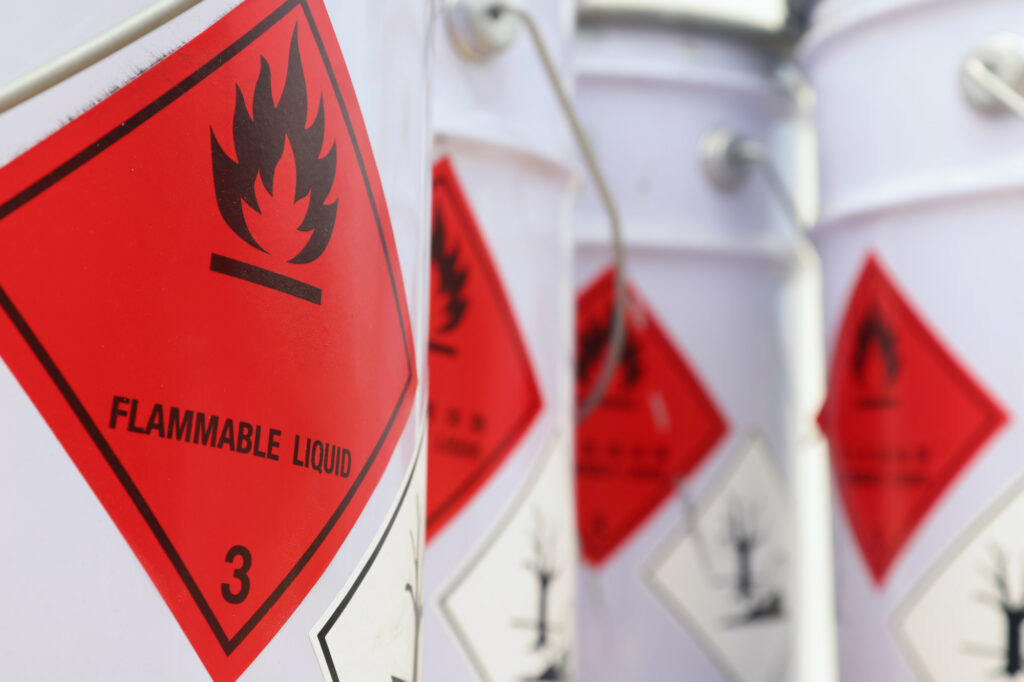
To further increase safety education to those who handle chemicals, OSHA, CalOSHA, and other regulatory bodies are requiring chemical manufacturers to be even more intentional in the design of their labels to ensure the following items can be easily identified on a label:
The employer will continue to be obligated to offer education on the 6 topics above along with how to read a Safety Data Sheet (SDS), PPE requirements and First Aid requirements. The employer will also have to ensure labels are replaced if they become damaged, necessitating the need for formal labels and not “sharpie labels.”
| Observation | Action |
|---|---|
| A container of bleach in the kitchen or laundry. | Report it to your supervisor and arrange for someone to take it home. |
| Unlabeled spray bottles in the laundry or on a housekeeping cart. | Remove the spray bottle and give it to your supervisor for re-labeling. Or dump the contents in the sink, wash with water and recycle the container. We don’t want to re-use containers where left over chemicals might react. |
| An employee in the kitchen spraying degreaser without gloves or glasses. | Encourage the employee to stop, wash, and dry their hands, put on nitrile gloves, and then return to cleaning. |
| Maintenance personnel adding acid to an empty acid injector. | Strongly encourage the employee to stop, put on gloves and goggles, carefully and slowly add water down the side of the injector tube to fill up the tube, and then add the required amount of acid at the end. |
| Maintenance personnel adding chlorine tablets into the injector tube without glasses or gloves. | Encourage the employee to stop, put on nitrile gloves and glasses, lower their hand close to the water level, and then release the chlorine tablets into the water. |