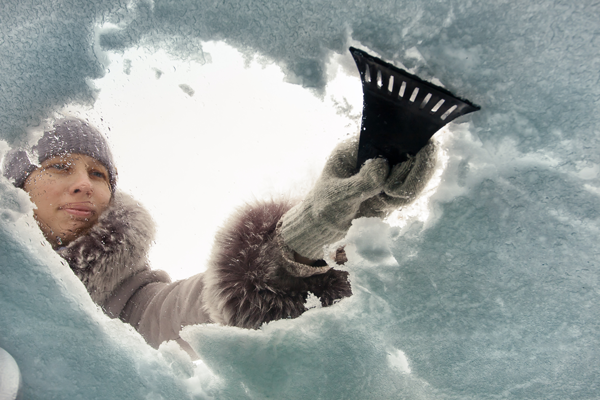
Winter is coming. With property deductibles increasing, it is essential to avoid costly and easily preventable losses. The winter season can be brutal and take a toll on your campus’ buildings. This means you must prepare your properties for freezing temperatures and inclement weather. Is your campus ready for the winter season? The following checklist can aid in preparing for common winter hazards as they relate to property. Use it as a guideline to ensure your campus is winter ready.
1. Roofing
- Clean the roof of high-piling snow. If your campus receives a large amount of snow, you will want to clean high-piling snow off the rooftop. A large accumulation of snow can lead to roof failures.
- Inspect the roof for loose shingles & damage caused by ice / high winds.
- Keep gutters clear from buildup of leaves or other debris to allow melted snow to properly run off.
2. Plumbing
- Ensure heat stays above 45-55 degrees Fahrenheit in all areas where pipes are located.
- Check exposed & interior pipes for signs of freezing.
- For exposed pipes that are outside, inspect them for cracks or openings. Insulate and seal cracks and openings from the weather to prevent broken pipes.
- Inspect for signs of excessive moisture.
- Drain any outdoor sprinkler systems, standpipe systems, etc. that cannot be insulated / kept warm during winter months.
3. Ensure Building is Ready for Winter
- Remove snow from entrances, hallways, and walkways.
- Invest in quality floor mats and slip resistant flooring.
- Assess all exterior lighting to ensure campus lighting is adequate.
- Ensure timed lights have been reset to turn on earlier or invest in automatic lights with sensors that turn on at dusk.
- Ensure that sprinklers in the immediate vicinity of steam pipes, unit heaters, and other heating devices have the correct temperature rating.
4. Heating, Ventilation and Air Conditioning (HVAC)
- Replace air filters routinely.
- Clean air vents & watch air flow.
- Calibrate thermostats.
- Check for abnormal sounds and odors coming from your HVAC system, which may signal damaged or failing components.
- Check for cracks in the system, blockages in the blowers and hoses, air vents and air flow, and the thermostat system.
- While inspecting the HVAC system for cracks or leaks, look for exposed areas in the building structure including windows, doors, and attic space. Leaks in the structure will allow warm air to escape and cool air to seep in, leading to higher utility bills.
- Inspect blowers & hoses for blockages.
5. Prevent Power Outages
- Inspect condition of trees & power lines. Properties with trees, power lines, or telephone poles, it’s important to inspect for weak structures. A weak tree limb can fall on property or a power line or telephone pole and lead to outages.
- Invest in backup generators and proper machine shutdown.
- For locations storing sensitive data or information, it is beneficial to invest in backup generators or an off-site / cloud backup technology.
- Power outages can impact a number of things. Between data loss, inability to control building temperatures, and interruption of business, your campus should create a plan to prevent power outages and prepare for outages you can’t control.
6. Storm Planning and Preparedness
- Ensure that snow removal occurs on a scheduled basis.
- Implement a storm plan within your emergency response procedures to ensure that all necessary tasks are planned ahead of time in the case of a severe winter storm. This includes clearing snow from parking lots and walkways, alerting faculty, staff, and students, and applying ice melt.
- Make arrangements for several forms of emergency communication such as cell phones, two-way radios, ham radio operators, etc.
- Create a contact list of utility providers, suppliers, contractors, etc. that may need to be contacted in the case of a winter storm emergency, pipe burst, etc.
7. Snow Removal Supplies
- Ensure you have snow removal supplies to last until early spring.
- Inspect equipment such as snow blowers and plows. Inspect for low fluids or old / damaged parts.
- Perform an inventory check of your snow removal supplies. You should have adequate salt and sand to prevent icy slips, trips, and falls.
8. Snow Removal & Cleaning Contracts
- Check with your existing landscaper for snow removal. If you already have an existing contract with a landscaper, review the terms of the contract. It’s important to know if your current landscaper will cover snow removal.
- If you are unable to handle snow removal yourself, consider hiring a contractor. There are many services on the market. Rating and review sites are a great tool to assist in finding local companies that provide quality services.
9. Preparing for Drastic Cold Spells
- Let faucets drip cold water in extremely cold weather, especially overnight when temperatures are at their lowest. While a small flow of water will not prevent a pipe from freezing, it will prevent it from bursting.
- For pipes under a sink, in an attic or located against an outside wall, open the cabinets / doors to allow warm air to circulate in the area. Keep in mind basement areas that have incoming water supply lines also.
- Window Check – all windows are properly closed to minimize temperature drop indoors.
- Closely monitor susceptible areas – use a thermometer to know the exact temperature and determine if other measures need to be put into place.
- Remember, we want to respond (if possible) to areas inside of the building once the temperature gets around 40 degrees F, not 32 degrees, so that we have time to implement a strategy or temporary solution.
Wet Sprinkler Systems: if you are considering draining the wet sprinkler system in preparation for a drastic cold snap, we recommend the following is implemented:
- Notify the local fire department
- Notify the property insurance carrier
- Implement a 24/7 fire watch monitoring process while the fire sprinkler system is completely impaired.
- Evaluate specific areas to drain and shut off where the piping is more susceptible to freeze (if possible, rather than impairing the entire fire protection system), this is an acceptable temporary measure.
Dry Sprinkler Systems (especially in unheated spaces i.e. parking garages):
- Ensure the drum drips at the end of the system have been Properly Drained. This is an area that if water pools, is very susceptible to freezing and breaking pipes.
If at any time you have questions or concerns related to preparing for Winter freeze property prevention, PLEASE contact your IMA Risk Control Team!
 The Evolving Ergonomic Landscape of Remote and Hybrid Work
Feb 10, 2026
The Evolving Ergonomic Landscape of Remote and Hybrid Work
Feb 10, 2026
 Emergency Response Plan: Windstorm
Feb 10, 2026
Emergency Response Plan: Windstorm
Feb 10, 2026
 External Flood Events and Emergency Response Plan
Jan 21, 2026
External Flood Events and Emergency Response Plan
Jan 21, 2026
 Comprehensive Risk ManagementEmergency Preparedness and Business Continuity
Jan 6, 2026
Comprehensive Risk ManagementEmergency Preparedness and Business Continuity
Jan 6, 2026