The Benefits of Salt-Sand Mixes and Colored Ice Melts
Dec 31, 2025
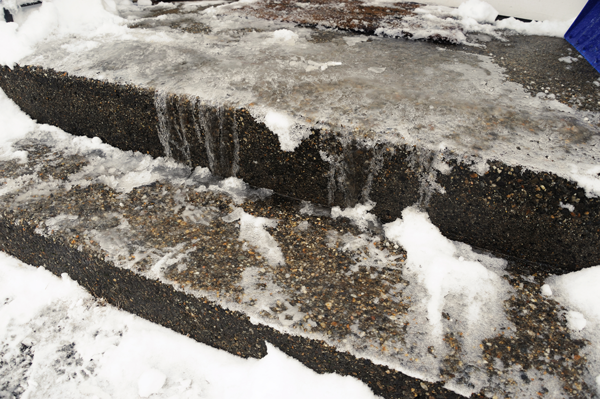
Salt lowers the freezing point of water and is usually used on roads to prevent them from icing over or to help melt away ice that has already formed. Salt works in temperatures above 12 °F. Salt will melt ice and reduce slipperiness on roads and sidewalks and helps break up ice sheets, which makes it easier to remove ice.
Since sand is an abrasive material, it helps provide traction. It can improve traction at any temperature, however, sand is only effective on bare ice – it will need to be reapplied if it gets buried under snow. Sand will stay around longer and improve traction to reduce falls, especially during thaw/refreeze conditions.
Salt/sand mixes help to provide traction while also preventing snow and ice from bonding to streets and walkways, which makes it easier for plows and shovels to clear.
Ice melt should be applied directly to a walking surface in order to be effective. Because of this, it is best to apply after shoveling or plowing, and if possible, apply it before precipitation begins to prevent ice and snow from bonding to the concrete or pavement. Prioritize which areas need to be treated first and/or more frequently. These may be areas with heavier traffic or areas that are prone to ice.
Keep in mind that salt can cause concrete damage, so using a salt/sand mix can reduce concrete damage while still providing protection against slips and falls. Avoid overapplying by using a handheld or walk-behind spreader, and consider using a colored ice melt to help you keep track of where ice melt has been put down. Keep in mind that refreeze is possible, so be sure to inspect walkways frequently, especially after the possibility of overnight freezing.
| Pavement Temp. °F | One Pound of Salt (NaCl) Melts | Melt Times |
|---|---|---|
| 30°F | 46.3 lbs. of ice | 5 minutes |
| 25°F | 14.4 lbs. of ice | 10 minutes |
| 20°F | 8.6 lbs. of ice | 20 minutes |
| 15°F | 6.3 lbs. of ice | 1 hour |
| 10°F | 4.9 lbs. of ice | Dry salt is ineffective and will blow away before it melts anything |
 The Evolving Ergonomic Landscape of Remote and Hybrid Work
Feb 10, 2026
The Evolving Ergonomic Landscape of Remote and Hybrid Work
Feb 10, 2026
 Winter – Frozen Pipes – Water DamageA Key Driver of Property Incidents
Dec 31, 2025
Winter – Frozen Pipes – Water DamageA Key Driver of Property Incidents
Dec 31, 2025
 Inclement Weather Alert Employee Communication Checklist
Dec 31, 2025
Inclement Weather Alert Employee Communication Checklist
Dec 31, 2025
 Cold Weather Alert: Winter Water Damage
Dec 18, 2025
Cold Weather Alert: Winter Water Damage
Dec 18, 2025